
Communication
Simple, accessible ways to communicate with others and interact with your home.
Overview
Communication technology supports clients who have difficulty speaking, using phones, or interacting with traditional communication tools. It allows individuals to communicate with carers, family, visitors and professionals in ways that suit their abilities.
Assistive communication systems are often closely linked to environmental control, access and safety, creating a home that responds clearly and reliably to the client.
Communication systems can be operated through:
Voice control
Eye gaze systems
Switch access
Touch panels and tablets
Automated prompts and announcements
What Communication Covers
1. Voice-Based Communication
Hands-free calls to carers or family
Voice assistants for messaging and reminders
Voice interaction with intercoms and door systems
2. Eye Gaze & Alternative Communication
Eye gaze devices for speech and messaging
Integration with home controls and alerts
Communication without physical movement
3. Touch & Switch-Based Communication
Accessible tablets and touch panels
Switch-activated calls or messages
Simplified interfaces designed around ability
4. Alerts, Prompts & Announcements
Audio prompts and reminders
Door and visitor announcements
Activity-based alerts
Emergency communication prompts
5. Integration with the Home
Communication linked to lighting, access and safety
Automated announcements based on activity
Clear audio feedback from home systems
How Clients Use It
Everyday Communication
Simple ways to call for help, speak to carers, or interact with others without physical effort.
Alternative Access
For clients without speech or hand function, communication can be achieved through eye gaze, switches or automated prompts.
(Link: Alternative Access Homes)
Automation & Support
Reminders and announcements reduce cognitive load and support daily routines.
Benefits of Communication Technology
Restores the ability to communicate independently
Reduces frustration and isolation
Supports safety and reassurance
Improves interaction with carers and family
Integrates seamlessly with the wider home environment
Adapts as communication needs change
Our Approach
Assessment of speech, movement and cognitive needs
Selection of appropriate communication methods
Integration with the wider AT Enabled Home
Installation, training and ongoing support
What can we control?
-
![]()
Wi-Fi & Networking
-
![]()
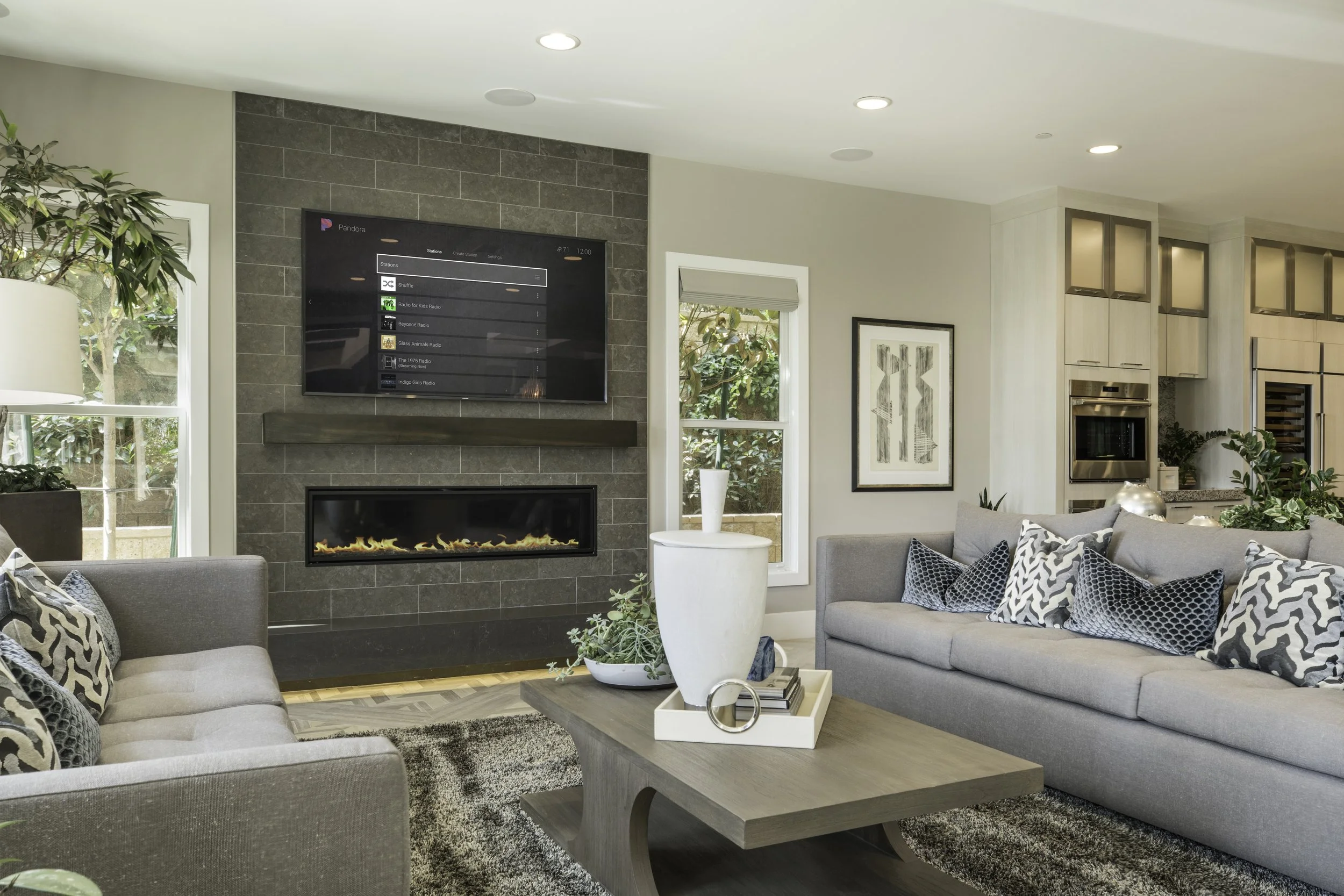
Entertainment
-
![]()
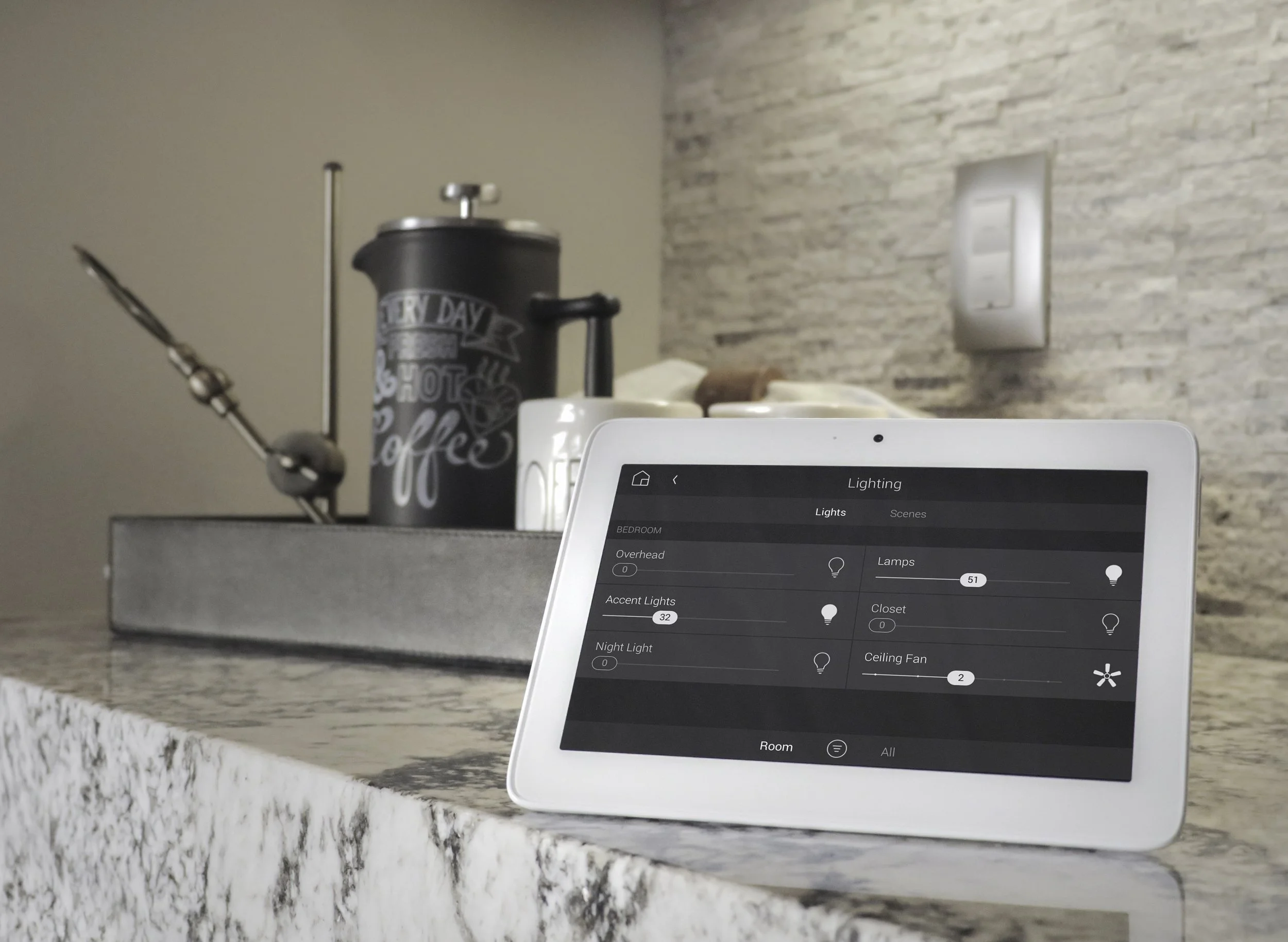
Lighting Control
-
![]()
Automated Blinds & Curtains
-
![]()
Smart Home Automation
-
![]()
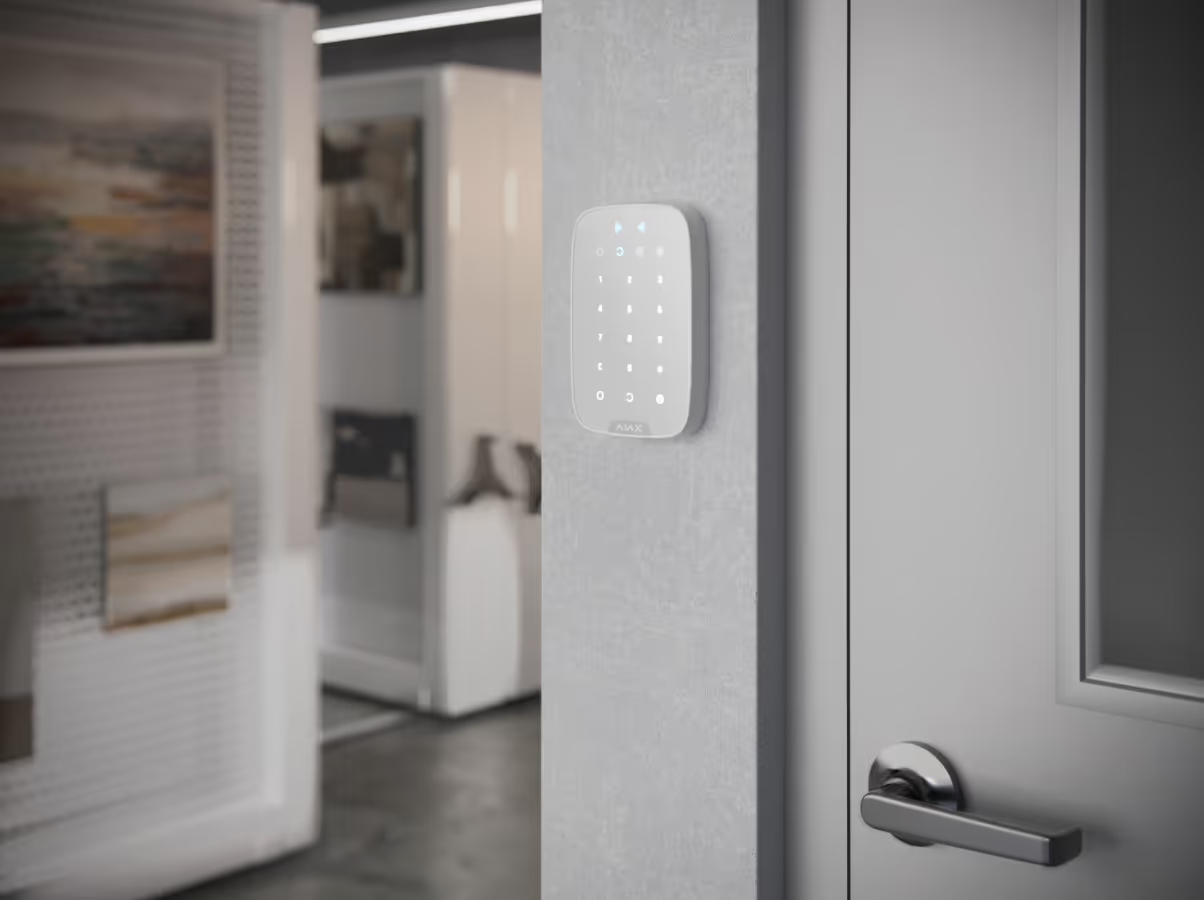
Intruder Alarms
-
![]()
CCTV
-
![]()
Automated Doors & Locks
-
![]()
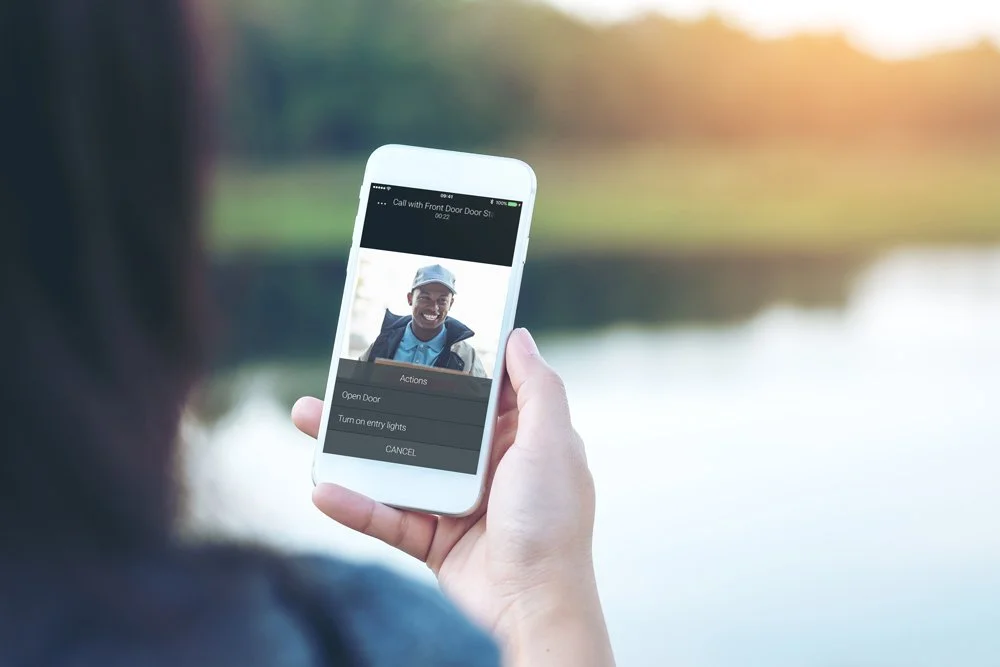
Video Doorbells & Intercoms
-
![]()
Heating & HVAC






Trusted AT Partners
At Cabled with Care, we specialise in assistive technology for people with complex and progressive conditions. Our work is grounded in clinical understanding, real-world experience and a strong focus on dignity, safety and independence.
We regularly support:
Case managers
Solicitors and litigation teams
Occupational therapists and MDTs
Rehabilitation centres
Private clients and families
You can rely on us for clear communication, transparent recommendations and systems that are designed to evolve as needs change. Every solution is assessed, installed and supported by specialists who understand the realities of living with MND.
Get in Touch
Whether you’re a family member, a case manager, or part of a clinical team, we’re here to help you explore the right assistive technology for your situation.