
Sepsis
Understanding Sepsis and How Assistive Technology Helps
Surviving sepsis can leave lasting effects such as reduced mobility, muscle weakness, fatigue, memory difficulties and challenges with day-to-day tasks. Many clients experience a loss of strength, slower movement, reduced coordination or cognitive fatigue, making routine activities around the home much harder than before.
Assistive technology can play a significant role in rebuilding independence by removing physical strain and simplifying everyday tasks. With the right support in place, clients recovering from sepsis can regain confidence and manage their environment more easily.
With an AT Enabled Home, individuals can:
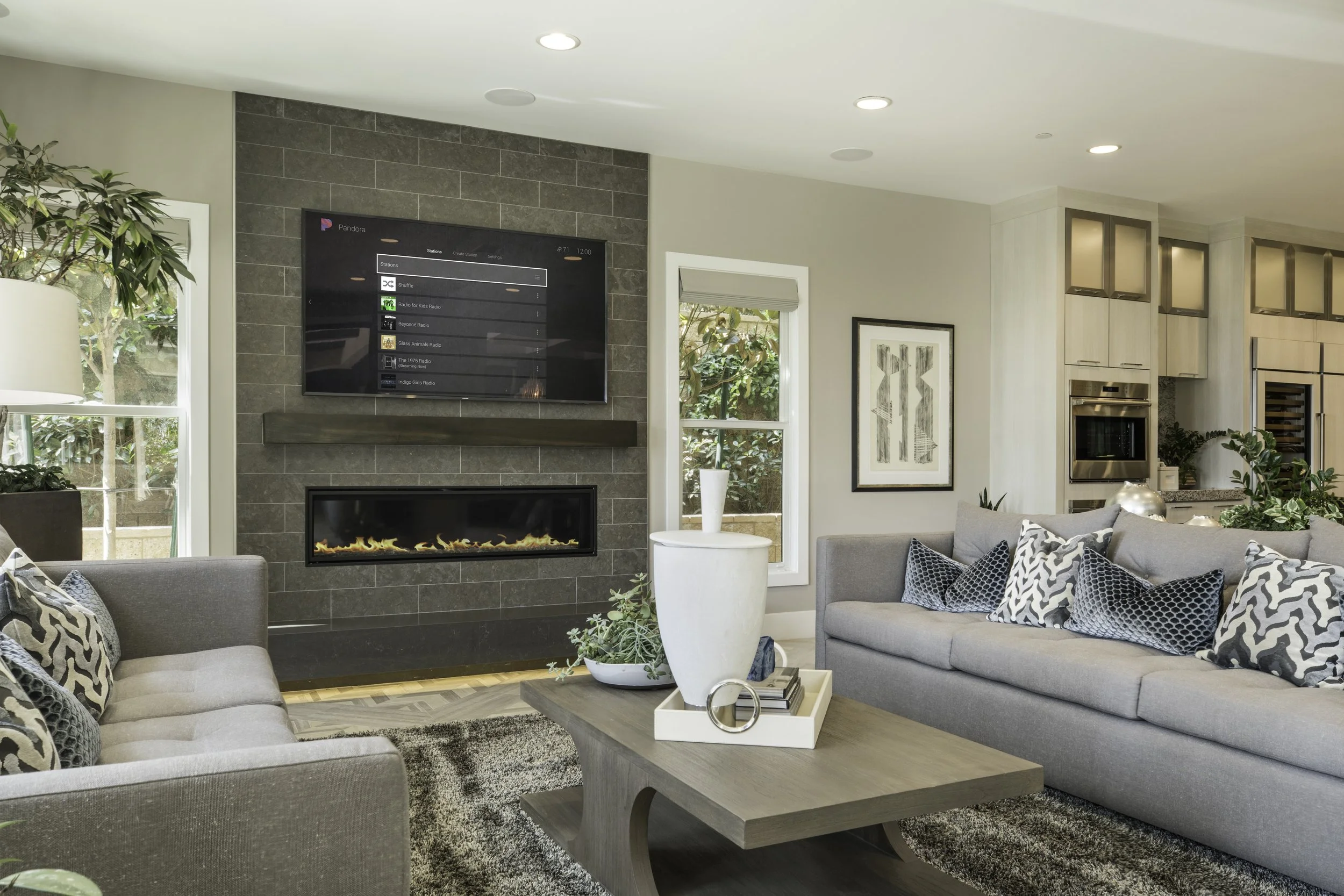
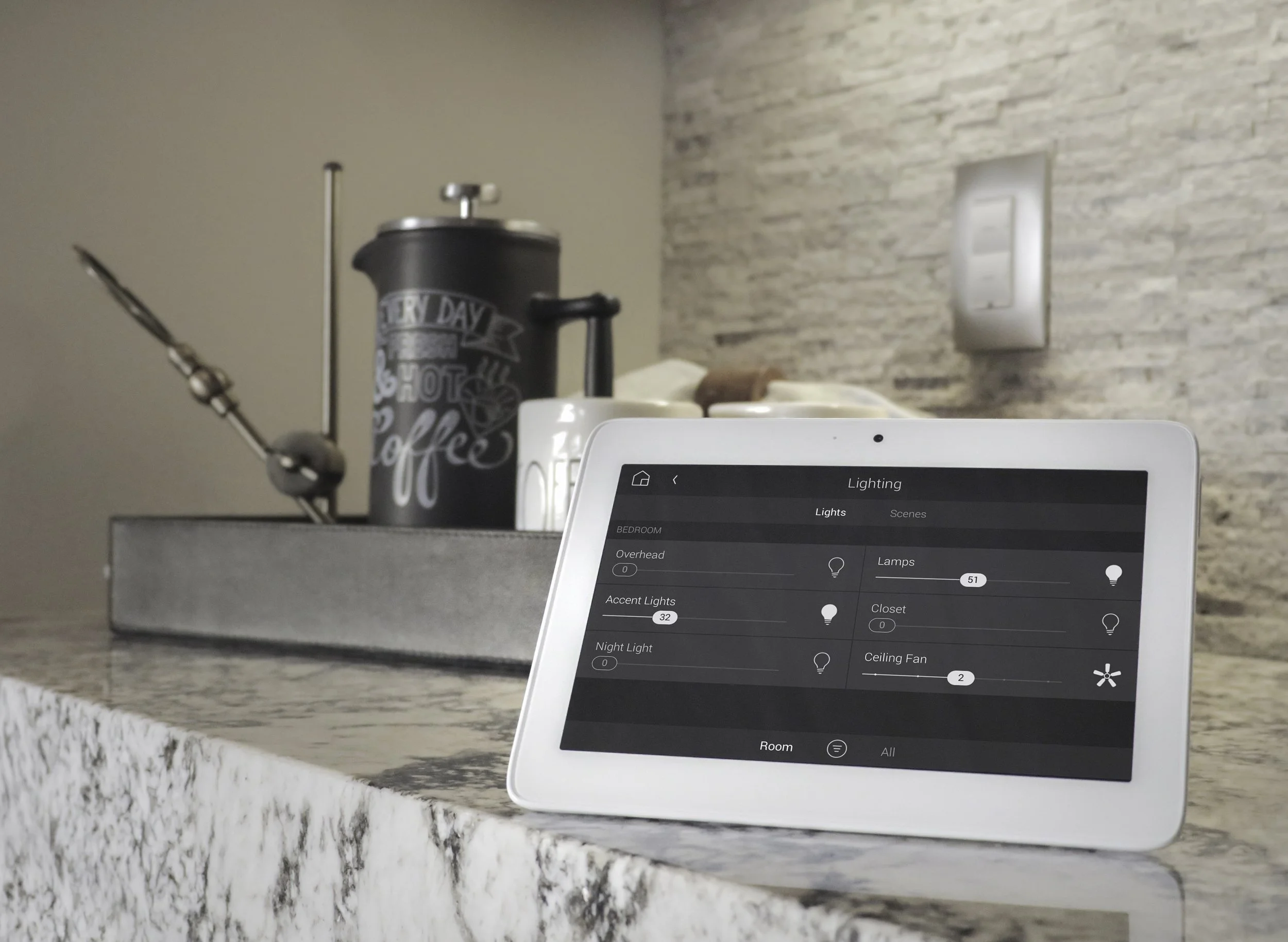
Control lighting, heating, blinds and entertainment without physical effort
Use voice control or simplified touch panels for easy, accessible home management
Reduce reliance on carers for routine, repetitive tasks
Improve safety through monitoring, fall alerts and automated lighting
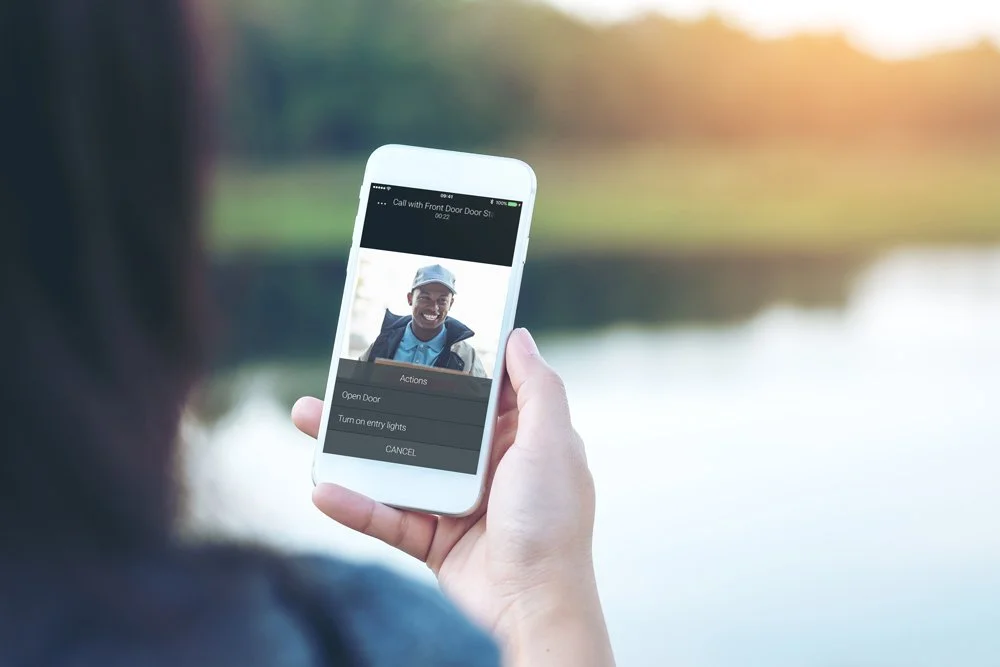
Access doors and visitors hands-free with smart entry systems
Create routines that minimise fatigue and support energy conservation
Adapt their home setup as recovery progresses or abilities change
Assistive technology doesn’t replace rehabilitation — but it supports daily independence, reduces physical demand and helps clients regain control of their home during their recovery from sepsis.
What can we control?
-
![]()
Wi-Fi & Networking
-
![]()
Entertainment
-
![]()
Lighting Control
-
![]()
Automated Blinds & Curtains
-
![]()
Smart Home Automation
-
![]()
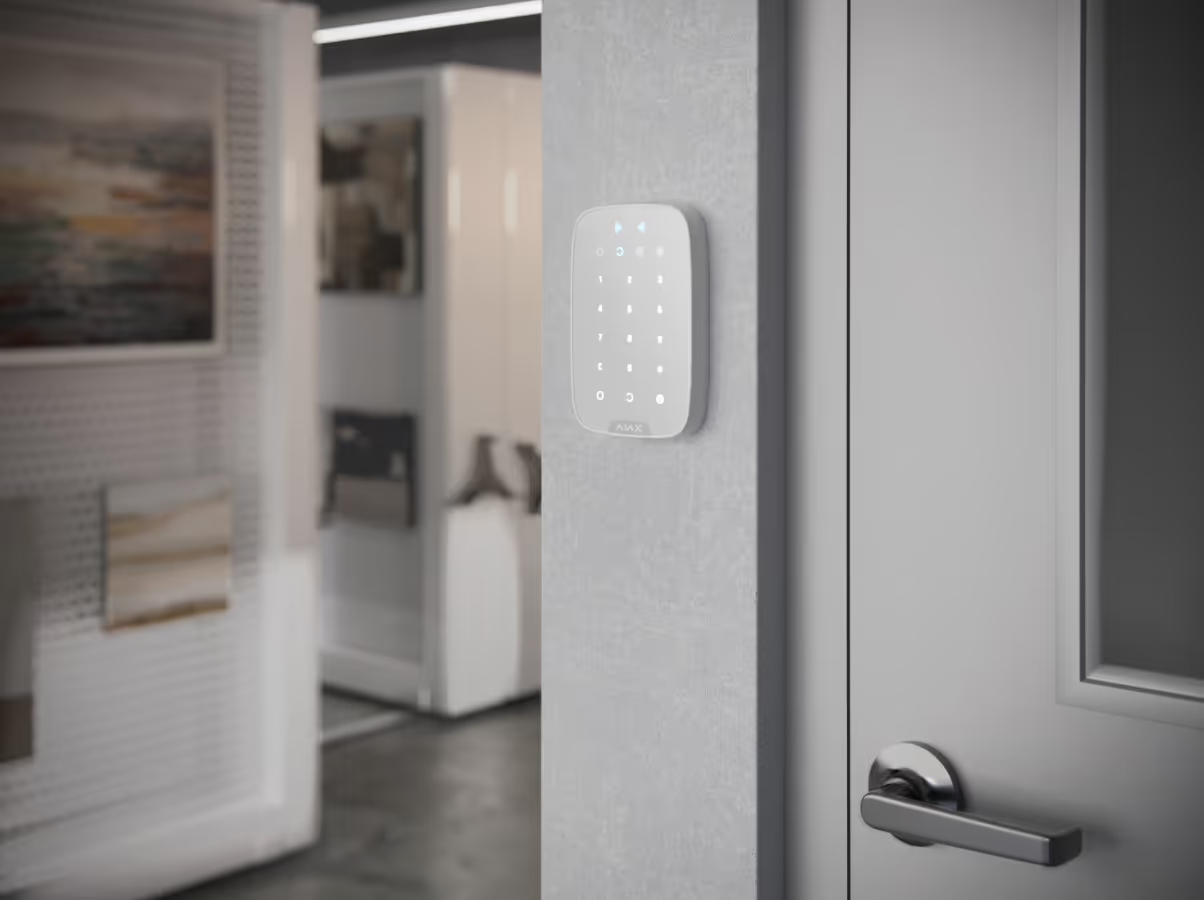
Intruder Alarms
-
![]()
CCTV
-
![]()
Automated Doors & Locks
-
![]()
Video Doorbells & Intercoms
-
![]()
Heating & HVAC






Trusted AT Partners
At Cabled with Care, we specialise in assistive technology for people with complex and progressive conditions. Our work is grounded in clinical understanding, real-world experience and a strong focus on dignity, safety and independence.
We regularly support:
Case managers
Solicitors and litigation teams
Occupational therapists and MDTs
Rehabilitation centres
Private clients and families
You can rely on us for clear communication, transparent recommendations and systems that are designed to evolve as needs change. Every solution is assessed, installed and supported by specialists who understand the realities of living with MND.
Get in Touch
Whether you’re a family member, a case manager, or part of a clinical team, we’re here to help you explore the right assistive technology for your situation.