
Visual Impairments
Understanding Visual Impairments and How Assistive Technology Helps
Visual impairments can make navigating the home, finding controls, identifying alerts and managing day-to-day tasks more challenging. Traditional switches, screens and buttons often rely heavily on sight, which can lead to reduced confidence, increased risk and a greater dependence on others for simple tasks.
Assistive technology removes this barrier by replacing visual tasks with voice control, audio feedback, and automated routines that make the home easier and safer to manage.
With the right setup, clients with visual impairments can:
Control lighting, heating, blinds and entertainment entirely through voice
Receive clear audio feedback for doorbells, visitors, activity in the driveway and system alerts
Use timed and automated routines to reduce reliance on screens or menus
Operate doors, gates and intercoms hands-free without needing a visual interface
Improve safety with motion-assisted lighting, guided pathways and clearly defined automation
Reduce the need to locate switches or navigate small controls
Maintain independence and confidence within every part of the home
Voice automation is often the most empowering tool for clients with visual impairments, offering intuitive, reliable control over the environment without sight-based interactions.
What can we control?
-
![]()
Wi-Fi & Networking
-
![]()
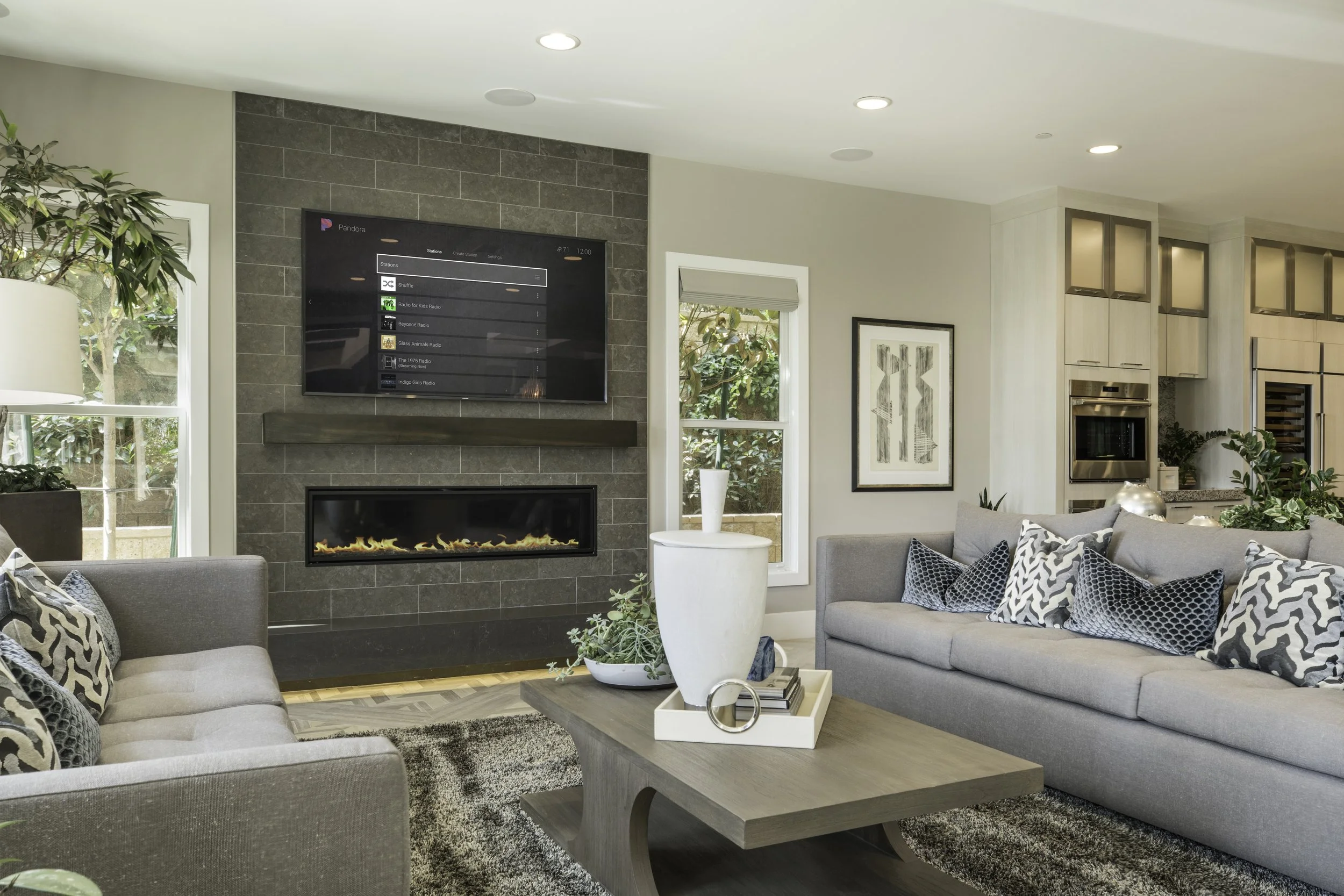
Entertainment
-
![]()
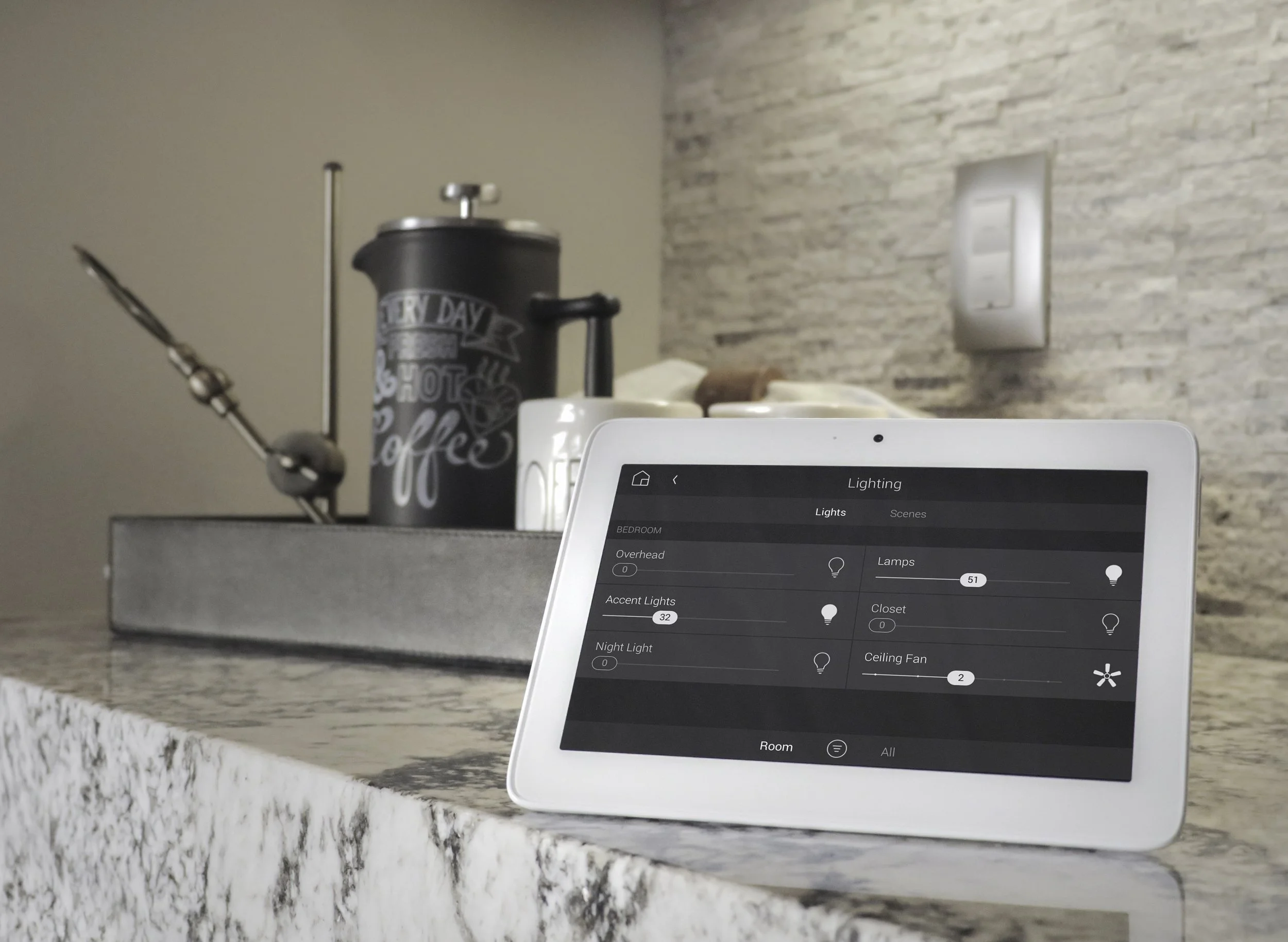
Lighting Control
-
![]()
Automated Blinds & Curtains
-
![]()
Smart Home Automation
-
![]()
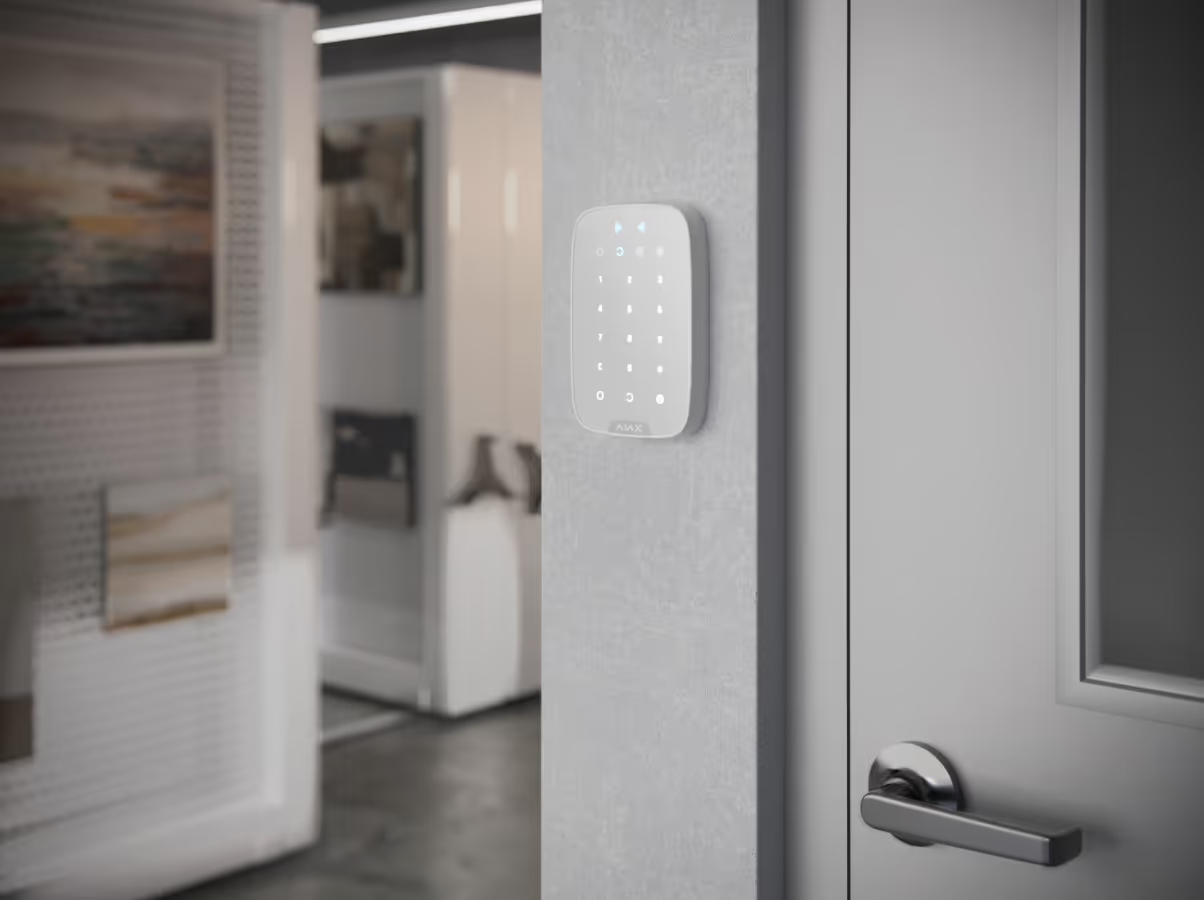
Intruder Alarms
-
![]()
CCTV
-
![]()
Automated Doors & Locks
-
![]()
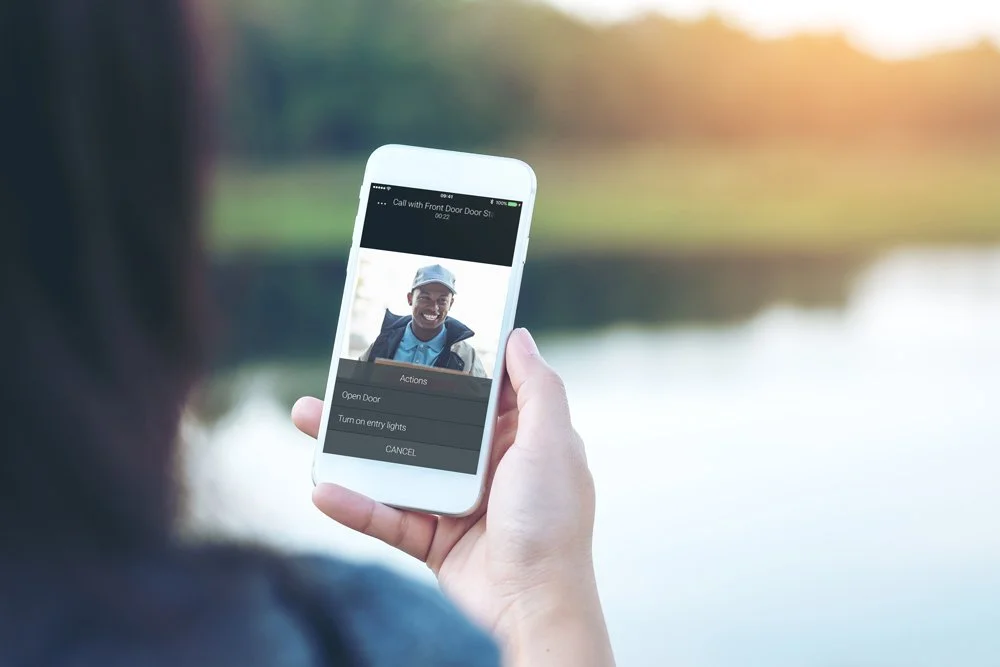
Video Doorbells & Intercoms
-
![]()
Heating & HVAC






Trusted AT Partners
At Cabled with Care, we specialise in assistive technology for people with complex and progressive conditions. Our work is grounded in clinical understanding, real-world experience and a strong focus on dignity, safety and independence.
We regularly support:
Case managers
Solicitors and litigation teams
Occupational therapists and MDTs
Rehabilitation centres
Private clients and families
You can rely on us for clear communication, transparent recommendations and systems that are designed to evolve as needs change. Every solution is assessed, installed and supported by specialists who understand the realities of living with MND.
Get in Touch
Whether you’re a family member, a case manager, or part of a clinical team, we’re here to help you explore the right assistive technology for your situation.